
As a parent, it’s easy to wonder whether your child’s dental visit can wait a little longer. After all, baby teeth eventually fall out, right? It’s one of the most common questions pediatric dentists hear, and it’s understandable. When your child isn’t complaining of pain and their teeth look healthy, it may seem like there’s no reason to schedule an appointment.
The reality is that many dental problems begin long before they’re visible or painful. Cavities can develop silently, permanent teeth can start erupting incorrectly, and habits like thumb sucking or prolonged pacifier use can gradually affect jaw development. Seeing the best pediatric dentist in Kearney, MO before problems develop gives your child the best opportunity to maintain a healthy smile while helping parents stay one step ahead of potential concerns.
- Your Child's First Dental Visit Should Happen Earlier Than Many Parents Think
- Don't Wait Until Your Child Has a Toothache
- Some Situations Should Never Be Ignored
- Baby Teeth Matter More Than Many Parents Realize
- Growth Happens Fast During Childhood
- Cavities Are Still One of Childhood's Most Common Diseases
- Dental Visits Should Feel Positive—Not Scary
- Some Habits Are Worth Discussing Early
- Children with Special Healthcare Needs Benefit from Specialized Care
- What About Dental Emergencies?
- How Often Should Children Visit?
- Choosing the Right Dental Home for Your Family
Your Child’s First Dental Visit Should Happen Earlier Than Many Parents Think
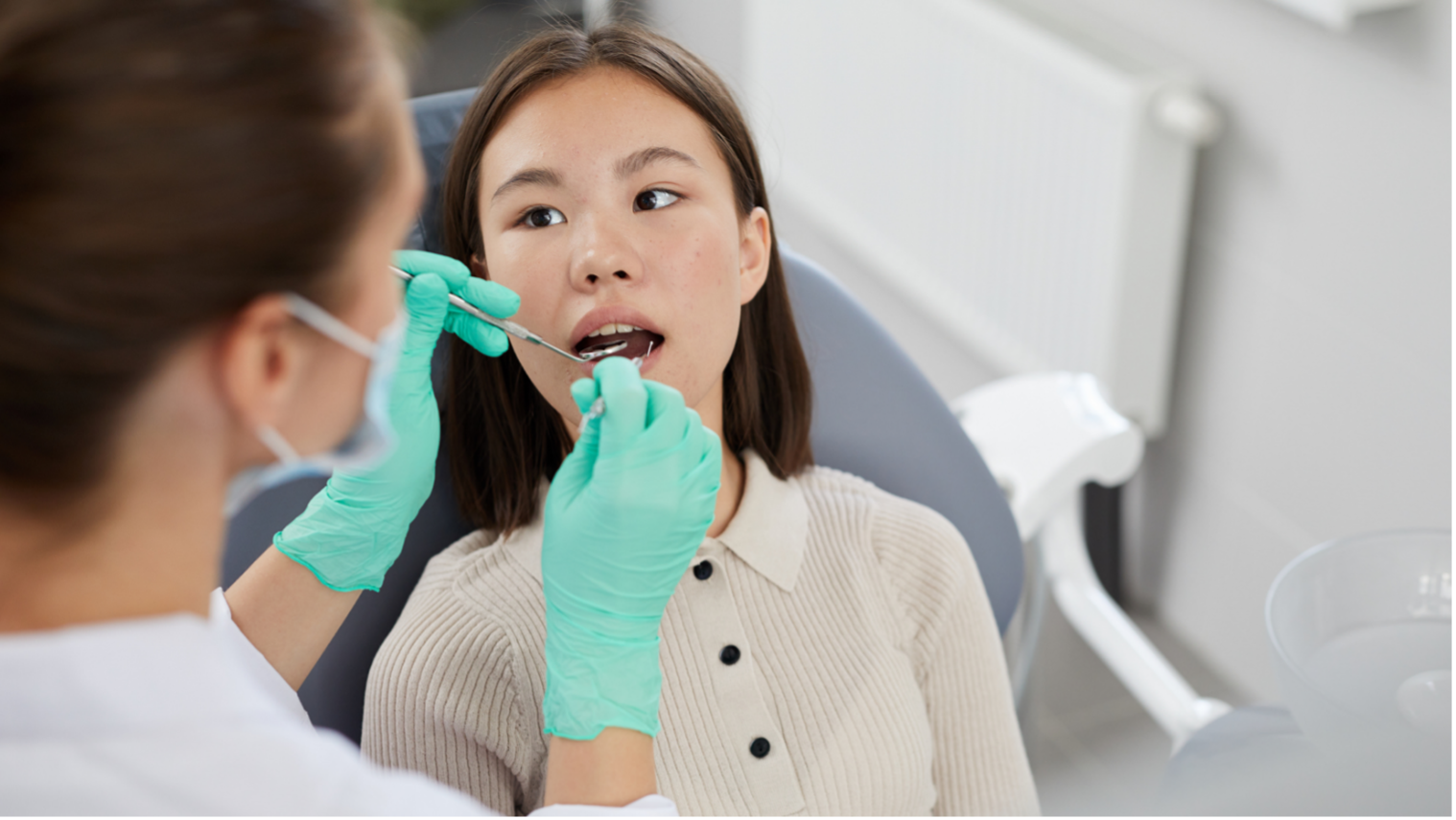
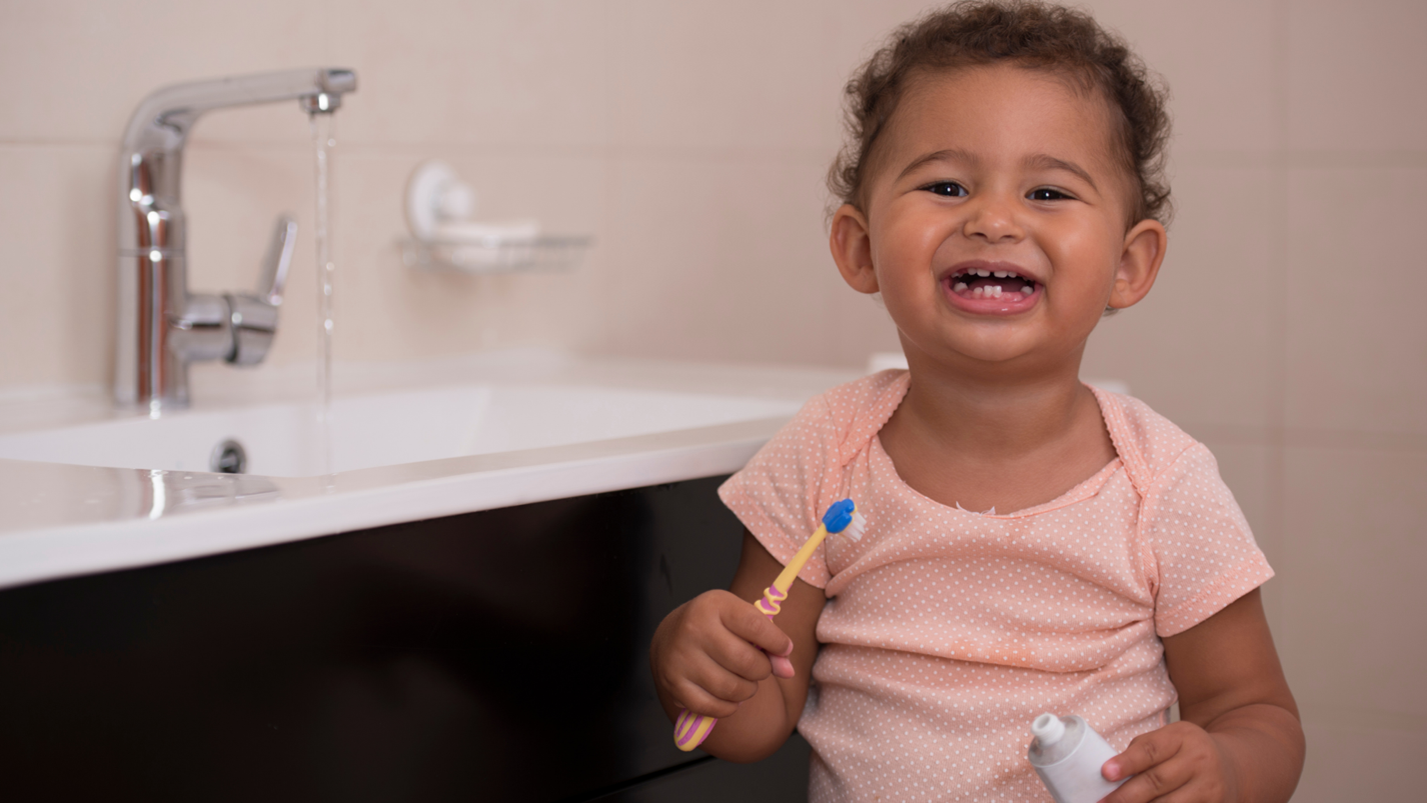
Many families are surprised to learn that pediatric dentists recommend scheduling a child’s first dental appointment by their first birthday or within six months after the first tooth erupts. That first visit usually isn’t about fillings or major treatment. Instead, it’s about prevention. During this appointment, your pediatric dentist will examine your child’s developing mouth, discuss proper brushing techniques, answer questions about bottles, pacifiers, thumb sucking, fluoride, and nutrition, and make sure everything is developing as expected. Parents often leave saying, “That was much easier than I expected.”
Starting early also helps children become familiar with the dental office before they ever need treatment. When the dentist becomes part of a normal healthcare routine instead of a place they only visit when something hurts, children are much more likely to develop positive feelings about dental care.
Don’t Wait Until Your Child Has a Toothache
One of the biggest misconceptions parents have is that pain is the first sign of a cavity. Unfortunately, that’s rarely the case. By the time a child complains that a tooth hurts, decay has often progressed beyond its earliest stages. Cavities usually begin as small areas of enamel breakdown that children don’t even notice. A routine examination can identify these problems while they’re still small and much easier to treat. That’s one reason families searching for the best pediatric dentist in Kearney choose to schedule regular preventive visits instead of waiting for symptoms to appear.
Some Situations Should Never Be Ignored
Children are active, curious, and constantly growing. Along the way, plenty of situations can affect their oral health. You should schedule an appointment if your child experiences:
- Persistent tooth pain
- Sensitivity to hot or cold foods
- Swollen or bleeding gums
- White, brown, or dark spots on teeth
- A chipped or broken tooth
- A loose permanent tooth
- Bad breath that doesn’t improve with brushing
- Swelling around a tooth or jaw
Even if the problem seems minor, having it evaluated early can often prevent more extensive treatment later.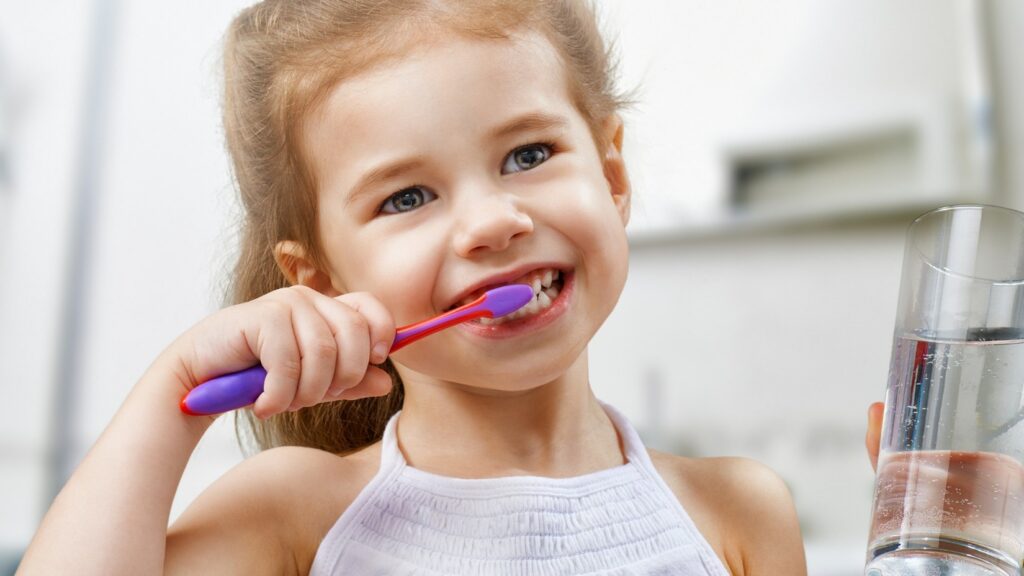
Baby Teeth Matter More Than Many Parents Realize
It’s common to hear someone say, “They’re just baby teeth.” While it’s true they’ll eventually fall out, they play an incredibly important role in your child’s development. Healthy baby teeth help children:
- Chew comfortably
- Speak clearly
- Smile confidently
- Maintain proper nutrition
- Hold space for permanent teeth
When a baby tooth is lost too early because of decay or injury, nearby teeth can begin shifting into the empty space. That may create crowding or bite problems when permanent teeth begin erupting. Protecting baby teeth helps protect the future smile developing underneath them.
Growth Happens Fast During Childhood
A child’s mouth changes dramatically from infancy through the teenage years. Some children begin losing baby teeth early. Others develop crowded teeth long before all of their permanent teeth arrive. Every child follows a slightly different timeline. Routine visits allow a pediatric dentist to monitor:
- Tooth eruption
- Jaw growth
- Bite alignment
- Facial development
- Spacing between teeth
- Signs that orthodontic treatment may eventually be needed
A Kearney, MO pediatric dentist specialist has advanced training in recognizing these developmental changes while children are still growing, allowing potential concerns to be identified early rather than after problems become more difficult to correct.
Cavities Are Still One of Childhood’s Most Common Diseases
Despite improvements in preventive dentistry, cavities remain one of the most common chronic childhood conditions. The good news is that they’re often preventable. Regular checkups allow your child’s dentist to recommend preventive treatments such as:
- Professional cleanings
- Fluoride applications
- Dental sealants
- Personalized brushing instruction
- Nutrition counseling
- Individualized cavity-risk assessments
Many parents are surprised to learn that small daily habits—like sipping juice throughout the day or falling asleep with a bottle—can significantly increase cavity risk. Understanding these habits early can make a tremendous difference.
Dental Visits Should Feel Positive—Not Scary
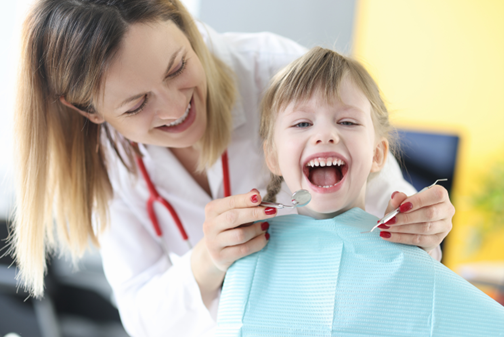
A child’s first impression of the dentist often shapes how they feel about dental care for years to come. That’s why pediatric dental offices are intentionally designed with children in mind. The best pediatric dental office in Kearney, MO focuses on creating an environment where children feel welcome rather than intimidated. Friendly team members, age-appropriate communication, colorful surroundings, and patience all help transform what could be a stressful experience into a positive one. Pediatric dentists also receive specialized training in behavior guidance techniques that help nervous children feel comfortable without forcing treatment before they’re ready. Sometimes the biggest accomplishment during a first visit isn’t counting every tooth—it’s helping a child leave smiling and excited to come back.
Some Habits Are Worth Discussing Early
Parents often wonder whether certain childhood habits are “normal” or something they should worry about. These include:
- Thumb sucking
- Pacifier use
- Mouth breathing
- Teeth grinding
- Nail biting
- Chewing on toys or pencils
Many of these behaviors resolve naturally, while others can begin affecting tooth alignment or jaw development if they continue for too long. Rather than guessing, it’s helpful to ask during a routine dental visit so you receive advice based on your child’s age and development.
Children with Special Healthcare Needs Benefit from Specialized Care
Every child deserves individualized dental care. Pediatric dentists receive additional education focused on treating children with physical, developmental, behavioral, and sensory differences. Appointments can often be adapted to meet each child’s specific needs, helping create a comfortable experience while supporting excellent oral health. This specialized training is one reason many families seek care from a Kearney pediatric dentist specialist when looking for long-term dental care for their children.
What About Dental Emergencies?
Childhood and accidents tend to go hand in hand. Whether it’s a collision during soccer practice, a playground fall, or a chipped tooth from riding a bike, dental injuries are common. Contact a pediatric dentist promptly if your child has:
- A knocked-out permanent tooth
- A broken or cracked tooth
- Significant swelling
- Persistent bleeding
- Severe tooth pain
- Facial trauma involving the mouth
Quick treatment can often improve the outcome and may even save an injured tooth.
How Often Should Children Visit?
For most children, dental checkups every six months provide the best opportunity to maintain healthy teeth and gums. However, every child is different. Some children benefit from more frequent visits because they have:
- A history of cavities
- Orthodontic appliances
- Higher cavity risk
- Special healthcare needs
- Medical conditions affecting oral health
Your pediatric dentist will recommend a schedule that’s appropriate for your child’s individual needs rather than taking a one-size-fits-all approach. Many families looking for the best pediatric dentist in Kearney, MO appreciate having a provider who can adjust care as their child grows and their oral health needs change.
Choosing the Right Dental Home for Your Family
Finding the right pediatric dentist isn’t just about scheduling cleanings—it’s about building a relationship with a healthcare team that will support your child through every stage of development. Families searching for the best pediatric dental office in Kearney often look for more than convenience. They want a practice that takes time to answer questions, explains treatment clearly, helps children feel comfortable, and emphasizes prevention instead of simply treating problems after they occur.
At Shoal Creek Pediatric Dentistry, we’re passionate about helping children build healthy smiles from their very first visit through their teenage years. Our team focuses exclusively on pediatric dental care, creating positive experiences while providing personalized treatment for every child who walks through our doors. If you’re looking for the best pediatric dentist in Kearney, MO, we’d be honored to help your family establish a lifetime of healthy oral habits and confident smiles.
Ready to get started? Reach out to us online at Shoal Creek Smiles, or call us at 816-781-5437 because pediatric dental care should not be scary. It’s simply supportive and kind. Dentistry Designed for Kids!
You don’t need confusing procedures or tears in the waiting room. We listen first.
Then we care for your child with expert, gentle services from checkups to emergencies, designed to ease worries and build healthy habits.
No surprises. No stress. Just trusted care from people who really get kids.
Need a same-day spot or have a dental worry? or reach out to us online. We’ll take it from there with care.