

Parents keep track of plenty of milestones during the first few years of a child’s life: first words, first steps, new foods, and the first day of preschool. One milestone that can be surprisingly easy to overlook is the first dental visit. The American Academy of Pediatric Dentistry recommends establishing a dental home by a child’s first birthday or within six months after the first tooth appears. That may seem early when a baby only has a few teeth, but those first appointments are about much more than checking for cavities. Starting early gives parents an opportunity to learn how to care for their child’s developing smile. It also gives children time to become familiar with the dental environment before they ever have a painful or urgent problem. Regular visits with a pediatric dentist in Kansas City can then help families keep up with changes as children grow.
- Why Should Children Start Dental Visits So Early?
- What Happens at a Child's First Dental Appointment?
- How Often Should a Child Go to the Dentist?
- When Should Parents Call Between Regular Appointments?
- Why Choose a Pediatric Dentist?
- How Do Dental Needs Change as Children Grow?
- What Can Parents Do at Home?
- What If a Child Is Nervous About the Dentist?
- When Is the Right Time to Schedule?
Why Should Children Start Dental Visits So Early?
Baby teeth eventually fall out, but they have important jobs while they are present. Primary teeth help children chew, speak, and maintain space for developing permanent teeth. Early dental visits allow the dentist to examine the teeth and gums, look for signs of decay, and monitor oral development. They also give parents a chance to ask questions about brushing, fluoride, teething, pacifiers, thumb sucking, bottles, sippy cups, snacks, and other everyday concerns. These conversations can help prevent problems before they begin. For example, parents may not realize that frequently sipping milk, juice, or another sugary beverage can repeatedly expose the teeth to carbohydrates. The bacteria associated with cavities use those carbohydrates to produce acids that can damage tooth enamel. Learning about these risks early can help families establish healthier routines from the beginning.
What Happens at a Child’s First Dental Appointment?
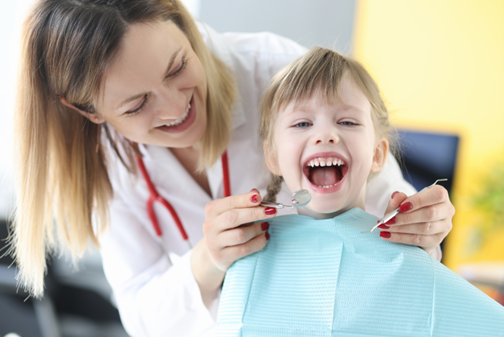
A baby’s or toddler’s first appointment usually looks different from an adult dental visit. The goal is to provide appropriate dental care while keeping the experience comfortable and suited to the child’s age. Depending on the child’s needs and comfort level, the dental team may examine the teeth and gums, evaluate oral development, check for decay, and clean the teeth when appropriate. Visiting a pediatric dentist in Kansas City, MO also gives parents an opportunity to learn what they should be doing between appointments. The dentist may discuss how much fluoride toothpaste to use, when parents should help with brushing, what to expect as new teeth erupt, and whether certain oral or feeding habits could affect the child’s teeth.
How Often Should a Child Go to the Dentist?
Many children benefit from dental examinations approximately every six months, although the appropriate schedule depends on the individual child’s oral health and cavity risk. Routine visits matter even when nothing appears to be wrong. Cavities do not necessarily hurt when they first develop, and parents may not be able to see early decay at home. Preventive visits may include an examination, professional cleaning, fluoride treatment when appropriate, and recommendations for dental sealants as permanent molars erupt. When parents are searching for the best pediatric dentist in Kansas City, preventive care should be part of that decision. Pediatric dentistry is not simply about treating cavities. Regular care should help families understand how to protect a child’s teeth as the mouth develops.
When Should Parents Call Between Regular Appointments?
Parents should not wait until the next scheduled checkup if a child develops a dental concern. Persistent tooth pain, swelling, sensitivity, a chipped or broken tooth, unusual bleeding, or an injury are all reasons to contact the dental office. Young children may not always be able to explain exactly what hurts. Instead, parents might notice that a child suddenly avoids chewing on one side, refuses certain foods, complains when eating something cold, or becomes uncomfortable during brushing. Dental injuries deserve attention as well. Falls, sports, and everyday accidents can damage teeth even when the damage is not immediately obvious. If a tooth has been injured, contacting a pediatric dentist in Kansas City can help parents determine what to do next.
Why Choose a Pediatric Dentist?
Pediatric dentists focus on the oral health needs of infants, children, adolescents, and patients with special health care needs. After dental school, pediatric dentists complete additional specialty training that includes children’s dental development, behavior guidance, prevention, and treatment. That training can be particularly valuable for children who are nervous, active, sensitive to unfamiliar surroundings, or visiting a dental office for the first time. Parents looking for the best pediatric dentist in Kansas City, MO should consider how the entire practice approaches children. Does the team explain procedures in age-appropriate language? Are parents given clear information? Does the practice emphasize prevention as well as treatment? The right environment can help make dental care feel like a normal part of childhood rather than something associated only with pain or emergencies.
How Do Dental Needs Change as Children Grow?
Children’s mouths change quickly. During infancy and the toddler years, dental care often focuses on tooth eruption, brushing, fluoride, feeding habits, and cavity prevention. As children enter preschool and elementary school, they begin taking more responsibility for brushing but still need parental help and supervision. Then permanent teeth begin arriving. The first permanent molars commonly erupt around age six, although timing varies. Because these teeth appear behind the primary teeth rather than replacing teeth that have fallen out, parents may not immediately realize they are permanent. Their chewing surfaces can contain deep pits and grooves where plaque and food collect. A pediatric dentist may recommend sealants for certain permanent molars to help protect these vulnerable surfaces. Families considering the best pediatric dental office in Kansas City, MO should think about this long-term relationship. Ideally, the dental team can care for a child through infancy, the loss of primary teeth, the arrival of permanent teeth, and the changes that occur during adolescence.
What Can Parents Do at Home?
Healthy teeth depend heavily on what happens between appointments. Children should establish a consistent brushing routine using fluoride toothpaste in an age-appropriate amount. Young children need hands-on assistance, while older children may still need supervision until they can consistently clean every surface of their teeth. Food and beverage habits matter too. Frequent sugary snacks and drinks can increase cavity risk because they repeatedly expose teeth to acid-producing conditions. Water is generally a good choice between meals. Parents can also look at their child’s teeth while helping with brushing. White, brown, or dark areas on teeth, swollen gums, chipped teeth, or spots that seem painful should be discussed with the dental team. The best pediatric dental office in Kansas City for a family should be a resource for these everyday questions, not simply somewhere to visit when treatment is needed.
What If a Child Is Nervous About the Dentist?
Some children feel nervous in unfamiliar environments, and early preventive visits can help. Meeting the dental team during a comfortable routine appointment is very different from meeting them for the first time while experiencing a toothache. Repeated positive experiences can help children learn what happens during dental visits and become more comfortable with the process. Parents can help by keeping their language simple and positive. Instead of describing procedures in detail or sharing negative dental experiences, explain that the dentist will check and count the child’s teeth and help keep them healthy. A pediatric dental team can take it from there, using explanations that fit the child’s age and level of understanding.
When Is the Right Time to Schedule?
Ideally, a child’s first dental visit should occur by the first birthday or within six months after the first tooth appears. After that, consistent preventive care gives the dental team an opportunity to monitor development, identify concerns early, and provide guidance as the child’s needs change. If your child is already older and has not established regular dental care, it is still worthwhile to begin. Parents should also contact the dental office when something changes between routine appointments, including tooth pain, swelling, sensitivity, dental trauma, or a broken tooth. Choosing a pediatric dentist in Kansas City gives families access to care focused specifically on growing smiles. At Shoal Creek Pediatric Dentistry, our goal is to help children receive appropriate care at each stage while giving parents practical information they can use at home. Establishing a dental home early can make oral care a familiar part of childhood and help children develop healthy habits they can carry with them as they grow.
Ready to get started? Reach out to us online at Shoal Creek Smiles, or call us at 816-781-5437 because pediatric dental care should not be scary. It’s simply supportive and kind. Dentistry Designed for Kids!
You don’t need confusing procedures or tears in the waiting room. We listen first.
Then we care for your child with expert, gentle services from checkups to emergencies, designed to ease worries and build healthy habits.

No surprises. No stress. Just trusted care from people who really get kids.
Need a same-day spot or have a dental worry? or reach out to us online. We’ll take it from there with care.