

Typing “first dental visit” into Google usually happens around 10 p.m. Your toddler chipped a tooth. Or maybe you just realized they’re turning one and haven’t seen a dentist yet.
If you’re searching for a pediatric dentist in Kansas City, you’re probably wondering what that first appointment actually looks like.
Here’s the honest answer: it depends on your child’s personality more than anything else. Some kids hop in the chair and start talking. Others cling to your leg. Both are normal. Let’s walk through what usually happens.
The first visit is about comfort, not perfection
The goal of a first appointment isn’t a spotless cleaning. It’s familiarity.
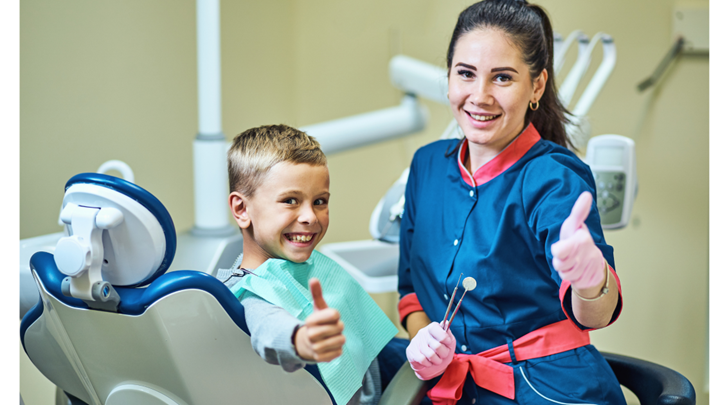
At a pediatric dentist in Kansas City, the team expects wiggles. They expect questions. They expect short attention spans.
For infants and toddlers, the visit may happen with your child sitting in your lap. The dentist checks eruption patterns, looks for early decay, and talks with you about brushing and feeding habits.
For older kids, there may be X-rays, cleaning, and a simple exam. Nothing rushed. Nothing overwhelming. The focus is building trust early.
Why pediatric training matters
Children’s mouths change quickly. Spacing, baby tooth roots, jaw growth, it’s all moving. Practices centered around Kansas City pediatric dentistry are built around that reality. The equipment is sized for kids. The explanations are simplified. The pacing is different from adult practice.
A child who feels comfortable at age three is far more likely to keep up with visits at age ten. That consistency prevents bigger problems later.
What if my child already has cavities?
Many parents walk into the first visit worried they’ve done something wrong. If your child has decay, you may start searching for a Kansas City bad teeth kids dentist before the appointment even happens.
Take a breath. Cavities in children are common. Juice, snacks, genetics, enamel thickness are multiple factors.
A good pediatric dentist explains the cause clearly and lays out the options calmly. Fillings for baby teeth are routine. In more extensive cases, sedation options can be discussed without pressure. You should leave knowing exactly what’s next and why.
Preventive care is the long game
The first visit sets the tone for years.
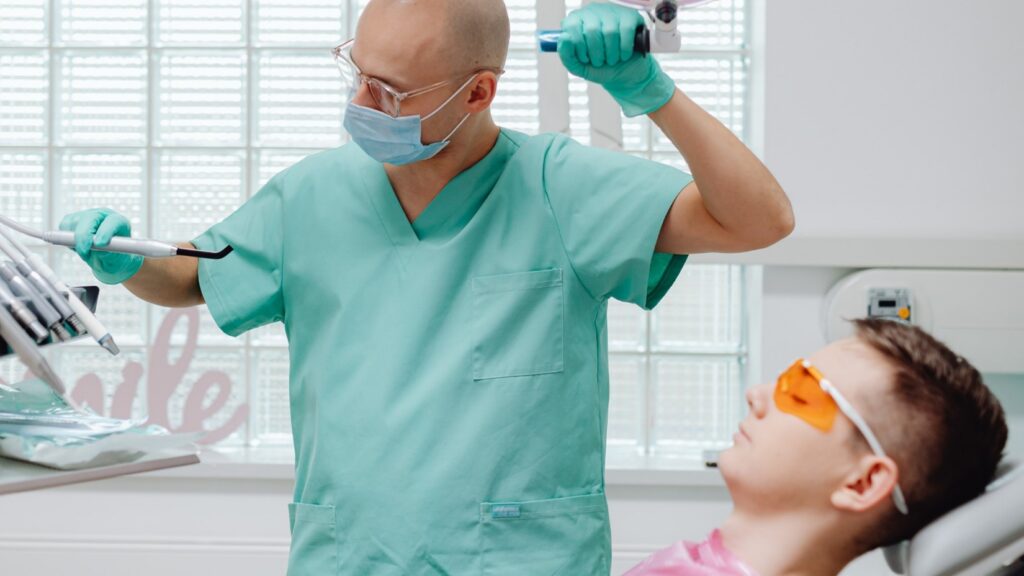
Sealants, fluoride treatments, and regular cleanings are part of the preventive approach. A pediatric dentist in Kansas City doesn’t just fix problems, they watch growth patterns and catch issues early.
That might mean identifying crowding before braces are needed. It might mean spotting grinding habits. It might mean adjusting brushing technique before cavities repeat. Prevention saves stress later.
What makes an office the right fit?
Parents often look for the best pediatric dentist in Kansas City based on reviews alone. Reviews help. But your experience matters more.
Is the front desk patient when you ask questions? Does the hygienist speak directly to your child? Does the dentist explain findings without using complicated language?
Some families prefer a smaller setting. Others want a larger office with flexible scheduling. There isn’t one correct answer. There is only what works for your child.
Behavior and special considerations
Every child is different. Some need extra time. Some need breaks. Some need a specialist with additional training.
If that’s the case, you might search for pediatric dental specialists in Kansas City who focus on more complex behavioral or medical situations.
The right team won’t rush your child through a hard moment. They’ll adjust the approach. Sometimes that means shorter visits. Sometimes it means gradual exposure over multiple appointments. Progress is still progress.
How to prepare before you walk in
Keep it simple.
Tell your child they’re going to meet a tooth doctor who counts and cleans teeth. Avoid promising there won’t be any discomfort. Avoid using words like “shot” or “drill” unless necessary.
Bring comfort items if needed with you to the dentist office for kids in Kansas City. Show up a few minutes early so you’re not rushing.
Your calm helps them stay calm. And once that first visit is over, the next one usually feels easier. That’s the pattern.
FAQs
When should my child first see a pediatric dentist?
Around their first birthday or within six months of their first tooth erupting.
Do baby teeth really need fillings?
Yes. Untreated decay in baby teeth can spread, cause pain, and affect adult teeth underneath.
How often should kids see a dentist?
Most children benefit from visits every six months, unless the dentist recommends something different.
Ready to get started? Reach out to us online at Shoal Creek Smiles, or call us at 816-781-5437 because pediatric dental care should not be scary. It’s simply supportive and kind. Dentistry Designed for Kids!
You don’t need confusing procedures or tears in the waiting room. We listen first.
Then we care for your child with expert, gentle services from checkups to emergencies, designed to ease worries and build healthy habits.

No surprises. No stress. Just trusted care from people who really get kids.
Need a same-day spot or have a dental worry? Or reach out to us online. We’ll take it from there with care.